Lisa A. Workman M.A.
  • Home
  • Services
    • Take Your Walking to the Next Level
    • Everyday Yoga Group Class
    • Mindful Movement
    • Movement Rx
    • Movement Momentum
    • Professional Educational Services >
      • AFLCA Cycle Designation Course
      • AFLCA Cycle Level 2 Workshop
    • Free Online Course
    • Speaking Opportunities
  • About
  • High Fives
  • Blog
    • Letters From Lisa
    • Cycle Drills & Skills Blog >
      • Cycle Drills & Skills Glossary
    • The Journey of an Aspiring Yoga Teacher Blog
    • The Why I Move Project
  • Media & Publications
    • Media >
      • As Seen on TV
      • Web
      • Print
    • Publications
  • FREE Online Course
  • Contact

Letters From Lisa

4 lessons from a magic shop

10/26/2025

0 Comments

 
I recently picked up neuroscientist James R. Doty's first book, Into the Magic Shop, while waiting for his newest book, Mind Magic, to arrive from the library.

Honestly, I didn’t know what to expect—but it was such a refreshing nonfiction read about how he transformed his life from one of hardship to one of success.

Doty shares four “magic tricks” that he learned during his childhood from Ruth, a magic shopkeeper, and I couldn’t help but think about how they apply to exercise, physical activity, and movement.
​
Let me share some of the magic with you!
​
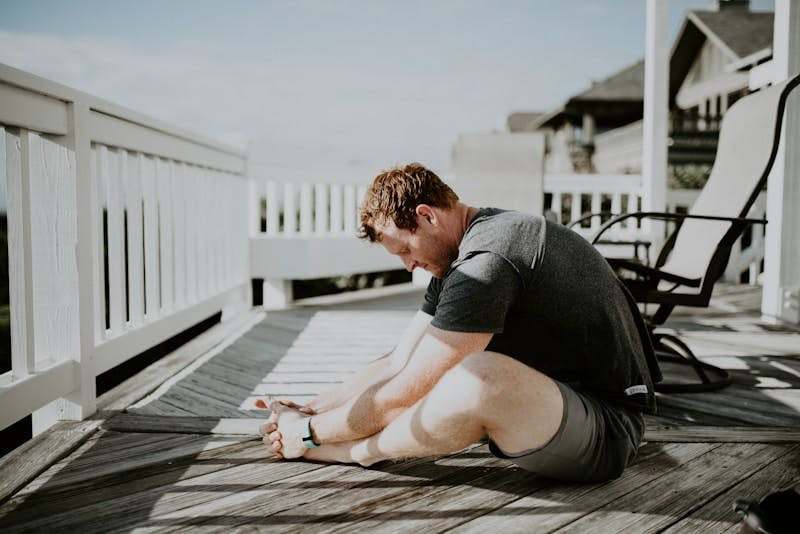
  1. Relax the Body
Picture
This is the cornerstone of everything I do with my clients.

Exercise, movement, and activity can be taxing—but starting from a place of a relaxed body makes all the difference.

It helps you notice subtle cues that could lead to pain, injury, fatigue, or exhaustion, and helps you navigate them with ease.
​
The magic is relaxing.
​
2. Tame the Mind
Picture
How often do we wrestle with whether we should work out, go for a walk, or do that workout?

Taming the mind is critical in exercise.

Checking in with your mindset, negotiating your behavior, and navigating the nuances of your thoughts are all part of creating a sustainable movement habit.
​
The magic of your mind.
​
3. Open the Heart
Picture
In my yoga classes, opening the heart has both a physical and emotional aspect.
It’s about self-compassion, self-care, and tuning into your body.

Opening the heart helps you move with patience, kindness, and gratitude for all your body can do.
​
Your magical heart is worth your attention.
​
4. Clarify Intent
Picture
This is at the centre of my passion project, The Why I Move Project.
Knowing your "why"—why you walk more, why you do squats, why you feel a stretch—is essential.

Clients who clarify their intention behind their movement see the greatest success, especially in longevity and quality of life.

Find your magic in the why.

These four lessons from Ruth (via James Doty) are surprisingly fitting for anyone moving their body.

Relax, focus, open, and clarify—the magic is in the intention behind every movement.

If these lessons resonate with you, you’d love my Mindful Movement classes—where we explore the connection between body, mind, and heart through gentle, intentional practice. Each class blends meditation, breath, and subtle movement to help you relax the body, quiet the mind, open the heart, and clarify your intent.

Don’t just read about the magic — feel it.
​
Try this free Mindful Movement practice and notice how relaxing your body, taming your mind, opening your heart, and clarifying your intent changes how you move.

Try it now!
Stay well and happy moving (with a sprinkle of magic ),
Lisa
0 Comments

The hidden power of fitness trackers

10/19/2025

0 Comments

 
This week, a client asked me a question that I just had to share: “What do you think about fitness rings?”
​
I love when clients ask detailed questions like this—it’s a chance to dig into the science and see what’s really useful versus just flashy tech.
​
Fitness rings are getting really popular, and it’s easy to see why. They’re small, comfortable, and they give you a lot of information about sleep, recovery, and movement habits.
​
From an evidence-based perspective, here’s what the research says:
  • They’re fairly accurate for resting heart rate, heart rate variability, and overall sleep patterns. If you want insight into how well you’re sleeping or recovering, they can be helpful.
    ​
    ​
  • They track steps and activity reasonably well at lower to moderate intensities.
    ​
    ​
  • They’re less reliable during high-intensity workouts or when estimating calories burned. Factors like movement, temperature, and fit can affect accuracy.
​
So, in my experience, these rings are great for awareness and habit-building, not as precise medical or performance tools.
​
The value really comes from noticing patterns over time—like how your sleep shifts after a stressful week or how consistent movement affects your energy and mood.
​
And, as always, it’s important to pair what the data says with how your body actually feels.
​
Numbers guide you, but your lived experience completes the picture.
Picture
Here’s where it gets really interesting…
​
Another one of my clients shared something amazing: after each Yoga Nidra session with me—a practice sometimes called “yogic sleep”—he consistently experienced more Non-REM sleep the following night.
​
Non-REM or Non-Rapid Eye Movement sleep is the deeper, restorative stage of sleep where the body focuses on physical repair, immune system support, and energy restoration. It’s essential for muscle recovery, tissue repair, and overall rejuvenation.
​
Over the course of eight different sessions, this improvement in non-REM sleep was consistent.
​
Every single Yoga Nidra session he attended was followed by a night of deeper, more restorative sleep, as measured by his fitness tracker. It really highlights the power of rest and recovery—and how intentional practices, even just 30 minutes, can make a meaningful difference in how your body restores itself.
​
Fitness rings, like the Oura, can help you notice these patterns.
​
They’re not perfect, but they can be a great ally for supporting mindful, sustainable movement and recovery—especially when paired with practices that help you rest deeply, like Yoga Nidra.
​
I love when clients ask thoughtful questions like this one. Questions spark curiosity, exploration, and a deeper understanding of how our bodies respond to rest and movement.
​
Want to experience the sleep-boosting benefits of Yoga Nidra for yourself? You can join my self-study online program, R&R Sleep Meditation, or start with my weekly online class, Mindful Movement, and notice how your body responds. And if you try it, I’d love to hear about your experience!
​
Stay well and happy moving [and resting],
Lisa
​
0 Comments

Gratitude in motion: your workout soundtrack

10/12/2025

0 Comments

 
Well hello,​
This Canadian Thanksgiving weekend, I’m feeling extra grateful—for your energy, your stories, and the ways we inspire each other to move. Earlier this year, I asked our community to pick songs that get you moving—and now I’ve turned them into a workout playlist just for you.
Picture
It’s designed to move with your body:
​
  • We start gentle to warm up
​
  • Build into high-energy tracks to get your heart pumping
​
  • Peak with songs that make you feel unstoppable
​
  • And wind down with a smooth, mindful cool-down
​
Think of it as gratitude in motion—a way to honour your body, your effort, and this community we share. Whether you’re walking, dancing, or hitting the gym, let these songs carry you through a full-body reset.
​
I’d love to hear which song gives you the biggest boost, or any tracks you’d add. After all, this playlist is ours together.
​
 Thank you to Shirley D, Melora J, Elaine B and Theresa W for contributing to this fun playlist!
​
With energy and gratitude - stay well and happy moving,
Lisa
​
P.S. Press play this weekend, feel your body, and enjoy moving to the beat of our community!
​
0 Comments

From war-torn childhood to resilient woman

10/5/2025

0 Comments

 
Olivia started working with me in the Fall of 2004.

Yes, 2004. Over 20 years ago.

At the time, she had signed up as a study participant in a research trial at the University of Alberta. I was managing the fitness center where the study was being run, and the focus was on how exercise could impact long-term outcomes of women at risk of breast cancer.

Olivia didn’t have breast cancer, but she wanted to give her time to contribute. She was randomized into the exercise group—and she showed up.

Every single session.

With a smile.

With energy.

With generosity.

She was a vivacious, kind, resilient woman. I still remember her sitting on the recumbent bike, sharing stories of growing up in war-torn Holland during the 1940s—memories of bomb shelters and fear, but also survival.

She carried that resilience into every workout.

Then one day, in the Spring of 2005, she walked into the gym with a grin that stretched across her face. She looked tired but proud.

I asked her, “How are you today?”

She said, “I walked here. Four kilometers. I just decided this morning I was going to do it.”

That was Olivia.

She surprised herself, pushed herself, and then savored the victory.

And the confidence it gave her radiated through everything she did.

She started walking more often to the gym. She pushed herself a little harder on the treadmill. By the end of the study, she was crushing workouts on the elliptical trainer.

And she wasn’t just physically stronger--she was transformed.

Her body changed.

Her mind changed.

Her confidence changed.

And I had the privilege of walking alongside her, guiding her, witnessing her transformation.

It was nothing short of remarkable.

✨ And here’s what I want you to know: this transformation is possible for you too.
Picture
Movement Rx is starting next week—your last opportunity to join in 2025. The doors won’t open again until the new year.

If you’re ready to move beyond “just exercise” and step into the confidence, energy, and strength that comes from true transformation… this is your moment.

Email me directly and I’ll help you get set up.

Because transformation doesn’t wait—it begins with one choice.

Stay well and happy moving,
Lisa

P.S. Olivia’s story will always remind me: change is possible. And so is yours.
0 Comments

Reacting Drains You—Responding Restores You

9/28/2025

0 Comments

 
I recently started listening to a new podcast called Relish.​

And no, not the green stuff. Although my thoughts went there first too!​

​It’s hosted by Alyssia Seneik, who I first discovered through her brand Mind Over Munch, where she shared creative and healthy recipes. Now she’s branching into mindfulness, bringing that same creativity to how we think and move through life.​

One episode really hit home for me, and it made me think of you—my wonderful email community—as well as some clients I’ve worked with over the years.​
​
Alyssia was talking about reacting versus responding. She explained how our brain often goes on autopilot, following the neural pathways we’ve built over a lifetime.​
These pathways can make us react automatically, instead of responding with awareness.
​
I saw this in two very different clients.
​
Let me explain…
​
One client felt her body constantly sending signals of discomfort, tension, or pain. Every new sensation would trigger an immediate reaction—she had to “fix” it, right away. That constant reactivity drained her, both mentally and physically.
​
Another client, however, approached these sensations differently. She noticed them, stayed present, and responded with curiosity and respect. Even with sustained pain, she paused, observed, and engaged with her body intentionally. There was a softness, a calm awareness, a sense of ease that came from responding instead of reacting.
​
I notice this in myself too. Like many of you, there’s ongoing pain to navigate.
​
It would be easy to fall into pre-programmed reactions. Instead, the practice is to pause, notice the sensations, and respond in ways that honor who I am today—not who I was yesterday.
​
Try saying the words aloud:
React …
Respond…
​
Notice the difference in how they feel in your body.
​
“React” carries a sharpness; “respond” has a smoothness.
​
The words themselves echo the processes they describe.
​
This is exactly the kind of mindful awareness Alyssia teaches in Relish. By noticing our reactions and shifting to intentional responses, we can transform how we move, how we exercise, and how we relate to the signals our body sends us.
​
Curious to hear more? Listen to the episode here: From Reacting to Responding: The Power of the Pause​
​
​
Now it is time for your insight into action.
Take a moment today to consider: How does the idea of responding versus reacting feel in your body?
​
Be well and happy moving,
Lisa
​
​
P.S., Movement Rx is now open for registration—this is where we bring these same mindful principles into action in a virtual group program. Are you in?
Picture
0 Comments

Big results from small moves

9/21/2025

0 Comments

 
​Hello!
One of the biggest barriers I hear when it comes to exercise is time. Between work, family, and all of life’s responsibilities, finding an uninterrupted 30–60 minutes to work out can feel impossible.​
Here’s the good news: research is showing that short bouts of activity spread across your day really do add up—and they matter for your health.​​
I was recently featured in both the Calgary Herald and the Edmonton Journal, where we explored how small, manageable changes can make a big difference for our health. This week, I want to share more about the evidence behind this idea.
Picture
Every minute counts
​
The Canadian Physical Activity Guidelines tell us that adults should aim for at least 150 minutes of moderate-to-vigorous physical activity each week, in bouts of 10 minutes or more. But newer research suggests that even shorter bouts—just a few minutes here and there—can provide real benefits.
​
That means taking the stairs, a brisk walk to the corner store, or even a quick stretch break between Zoom calls all make a difference.
​
What the research says
​
Studies show that breaking up movement into small chunks can:
  • ︎ Improve blood pressure, cholesterol, and blood sugar levels
  • ︎ Support healthy body composition
  • ︎ Reduce inflammation and cardiovascular risk
​
And here’s the really exciting part: just three to four one-minute bursts of vigorous activity each day—things like climbing stairs quickly, walking uphill, or carrying groceries—have been linked with up to a 40% lower risk of dying from any cause. That’s a huge impact for something so simple!
​
Why it works for busy people
​
Short bursts of movement are easier to fit in, easier to stick with, and don’t require any extra equipment or planning. They take the pressure off “finding time” and turn everyday moments into opportunities to move.
​
Try this today
​
Instead of worrying about finding the perfect workout block, sprinkle little bits of activity throughout your day:
​
  • Take the stairs instead of the elevator
  • Do 10 squats while waiting for your coffee to brew
  • Park a little farther away
  • Suggest a walking meeting​
​
Each small choice stacks up over time. And the science is clear: these “movement snacks” don’t just make you feel better right away—they can shape your long-term health in powerful ways.
​
If you’d like to read more, here are two posts that might resonate:
​
​From Nothing to Something​
— my post about exercise snacks + pain, & how small moves helped me
​
My feature in the Calgary Herald / Edmonton Journal​
— where I was asked about simple ways people can move more​​


Stay well and happy moving,
Lisa
​

PS: If you’re ready to put this into practice in a structured way, I’d love to invite you to join me for Movement Rx. It’s a guided program where we explore how to move smarter—not harder—so you can feel stronger, reduce pain, and build momentum in your daily life. It all starts October 7 with our first month’s focus on your hip mobility.
0 Comments

Why “Just Move More” Doesn’t Work

9/14/2025

0 Comments


Stories.


They’re central to everything I do. And this week, one in particular had me thinking more deeply about them.

​Dr. Brendon Stubbs, a neuroscientist, shared a sentence on LinkedIn that really stood out:
Picture
He was writing in the context of a recent article in the British Journal of Sports Medicine about prescribing exercise for depression.

But what struck me wasn’t just the research—it was the bigger idea behind his sentence.

When we tell someone to “be more active,” we’re often not including them in the conversation at all.

A huge part of my work is listening--really listening—to the stories my clients share. Their experiences, their preferences, their current health, and their willingness to explore all aspects of their well-being.

It’s in these conversations that I can truly understand what might help next.

Every session I have with a client is like a new chapter in their story. And every time we meet, I encourage them to share openly: What’s been working? What hasn’t? What might you want to try next?

I’ve said it before, but it bears repeating: working with me is collaboration. It’s about sharing my expertise while weaving it into the context of your life.

That’s why this quote really resonated.

Many health professionals and public health campaigns urge people to move more, which is great—but it’s not personalized.

It doesn’t take you into account.

This week, I wanted to share the first aspect of my signature process, the one I follow with every client—whether you’re in Movement Momentum or my virtual group program, Movement Rx.

It’s simple: your story.
Picture
Your story counts.

It gives me a snapshot of what you truly need and guides how we move forward together.

So here’s a thought: what’s your physical activity story? How do all the aspects of your life influence your movement routine?

Stay well and happy moving,
Lisa

P.S. Some exciting news! We’ve extended enrollment for my signature virtual group program, Movement Rx. Doors now close October 6th. If you’ve been considering joining, now’s the time to jump in for this three-month program. Register before October 1 and receive a complimentary 1:1 session with me!

P.P.S. And if you’re interested in joining my weekly yoga class, Everyday Yoga, our first class is this Thursday. You can still sign up here: https://www.lisaworkman.com/everyday-yoga.html
0 Comments

How to outsmart pain with your brain + body

9/7/2025

0 Comments

 
I came across a powerful piece recently—Dr. Sanjay Gupta, neurosurgeon and CNN medical correspondent, just released a deeply human-centered exploration of chronic pain.

His new work, It Doesn’t Have to Hurt, reshapes how we think about pain—and how we feel about it.

He shares a personal story: caring for his mother after a spinal injury gave him new insight into how pain can hijack not just a person’s body, but their identity, and even reach into the hearts of families.

It’s a reminder: pain isn’t just physical—it’s emotional, social, and psychological all at once.

Here’s where it gets fascinating:

Gupta shines a light on the brain’s ability to soothe pain.

Through mindfulness, meditation, movement, acupuncture—and even the reassuring touch of a loved one—our brains can tap into their own opioid systems.

That means powerful, non-drug relief, backed by neuroscience.

This perspective really resonates with me because it’s exactly the kind of work I do every day with clients—whether in yoga therapy or Movement Rx group virtual sessions, Mindful Movement classes, or one-on-one Movement Momentum sessions.

We use gentle, intentional movement, awareness of breath, and simple practices to help the body release tension and the mind find calm.

Over and over again, I see people discover more ease in their bodies—not because the pain magically disappears, but because they learn how to work with their bodies instead of against them.

What I love about Gupta’s approach is that it validates what many of us already experience: connection, awareness, and small daily practices matter.

They’re not “woo-woo”—they’re science, and they’re accessible.

If you’ve ever felt stuck in a cycle of pain—whether it’s chronic back pain, arthritis, or that vague ache that just won’t go away—this conversation is worth your time.

​I highly recommend listening to the Fresh Air episode where Gupta delves into it all—pain origins, the mind-body connection, and compassionate, practical strategies. It’s a thoughtful, hopeful listen that might give you a new lens on your own journey.

And if you’re curious about how to explore these tools in your own life, you know I’d love to guide you—whether it’s joining a virtual class, trying a workshop, or working together one-on-one.

Let’s remember: pain doesn’t define you. It doesn’t have to hurt forever.

Stay well and happy moving,
Lisa


P.S., Watch “Dr. Sanjay Gupta Reports: It Doesn’t Have to Hurt.” at 9 p.m. ET on September 7 on CNN.
0 Comments

The walker. The pool. And the comeback.

8/24/2025

0 Comments

 
​Over the years, I’ve been lucky enough not just to meet other parents through my kids, but also some of the grandparents. There’s something really special about those conversations—you get little glimpses into their lives, how they’re navigating grandparenthood, family events, and the everyday moments that matter most.

One grandmother I know—her grandson is a friend of my youngest—has stood out in my mind lately.

She’s always been a vibrant, active woman.

She loved walking, gardening, and swimming.

She was the type who could be found busy from sunup to sundown, keeping the household running and making it all look effortless.

But not long ago, she suffered a major back injury.

Her recovery was tough. She couldn’t do many of the things she once did without thinking. Even some daily activities and chores became impossible. Her husband had to take on everything around the house while she focused on healing.

For someone who had always been the one taking care of everyone else, this was a huge shift.

She began using a walker just to get around. I’d see her at sporting events, carefully making her way through the crowd—still determined to show up, but clearly in pain and moving with great effort.

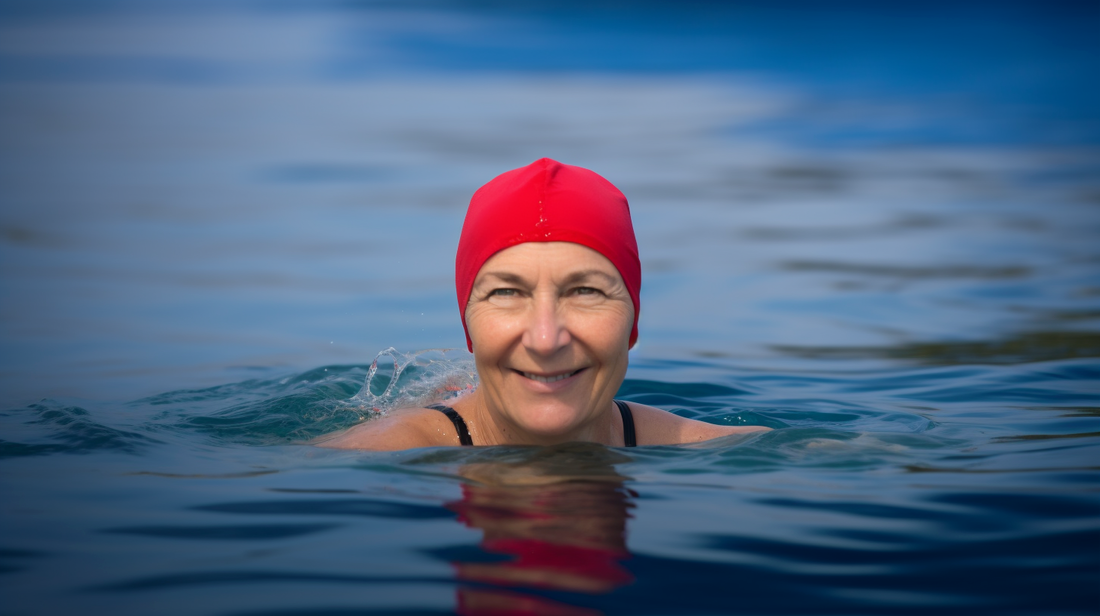
Then, just the other day, I ran into her at the pool. And let me tell you—I was so happy to see her there.

She told me she had recently started swimming again, going with either her daughter or granddaughter for support. With a smile, she shared, “Last time I was here, I swam one full length of back crawl.”

I cheered for her.

One length might not sound like much to some people, but to her, it was a huge victory.

Her daughter chimed in, explaining that they were taking it slowly--just baby steps—to get her back to where she wants to be.

After seeing her at the pool, I offered to help her with Nordic walking poles once she feels ready. She agreed, saying she’ll reach out when the time is right.

That’s the heart of it, isn’t it?

We don’t need to do everything at once.

Progress happens in small, intentional steps.

It happens with support.

And it happens when we’re ready to say, “Okay—I’m ready for what’s next.”

And that’s exactly why I created Movement Rx.

It’s my signature virtual group program designed to help people move smarter, manage pain, and take those baby steps back toward strength and confidence.

If you missed my recent Move Smart, Feel Better webinar, you can catch the replay here.
Picture
​Inside, I share the 3 biggest mistakes people make when managing pain—and how to avoid them—so you can keep moving forward.

And with Movement Rx about to start (September 9 to be exact!), this is the perfect time to watch and see if it might be your “next step.”

It’s all about how small adjustments—baby steps—can make a big difference in moving with less pain and more confidence.

So let me turn the question to you:

Are you ready to take your next step?​
​
Stay well and happy moving,
Lisa

P.S. Movement Rx is starting in September—I’d love for you to join me. If you’ve been waiting for the “right time” to start, this could be your next step. Watch the replay here! 
0 Comments

When rest doesn't help and more movement makes it worse

8/17/2025

0 Comments

 
A while back, a client of mine, Rita, shared that she’d basically given up on movement.

She was tired of trying things that didn’t work… or worse, made her pain flare up.

So she stopped.

Understandable, right?

But here’s the thing--movement isn’t the problem. It’s how we move that matters.

Join me for a live webinar on Friday, August 22 at 10am MST:

​Move Smart, Feel Better Webinar: Get Unstuck from Pain Through Smarter Movement
Picture

​We’ll talk about the 3 most common ways people unknowingly stay stuck in pain:

✔︎ Not moving at all

✔︎ Pushing too hard

✔︎ Adapting movement in ways that backfire

If any of that sounds familiar, you’re not alone.

And there’s a better way forward that doesn’t involve “no pain, no gain.”

🎟️ Free for The MedFit Movement Studio members

💳 $19.97 for everyone else

📲 https://bit.ly/UnstuckFromPain​

​🎁 BONUS: All attendees are entered to win 1 grand prize and two additional prizes (or more!)

Whether you’re curious, frustrated, or just ready for something that feels doable—I’d love to see you there.
RSVP for the Webinar

​Stay well and happy moving,
Lisa

P.S. Know someone who might need this too? Forward this email and invite them along. Having someone in your corner makes all the difference.

​
0 Comments

This is your invitation to reclaim movement

8/10/2025

0 Comments

 
You've come a long way in this series.

✔︎ You’ve learned that pain doesn’t mean you’re broken.
​
✔︎ You’ve tried a gentle movement to shift tension.
​
✔︎ You’ve challenged the beliefs that may have been holding you back.

✔︎ And you’ve seen the simple 3-step framework I use every day to help my clients move smarter—and feel better.

Now, it's time for the next step.​
​
​Movement Rx is my signature virtual group program—designed for people like you who are tired of feeling stuck in their bodies and ready for real change.

This is not just another exercise plan.

It's a supported path forward using a blend of clinical exercise science and yoga therapy, grounded in cognition and compassion.

No bootcamps.

No pushing through pain.

No gimmicks.

🎥 See how Movement Rx works—and why your body will thank you.

​Inside the video, I’ll walk you through exactly how Movement Rx works—and why it might be just what your body has been asking for.

Movement Rx is for you if:
  • You’re battling with your body just to do simple, everyday things
​
  • You’ve been living with pain for far too long—and it’s wearing you down
​
  • You’ve tried other programs but couldn’t stick with them
​
  • You’re dealing with chronic health conditions that hold you back
​
  • You’re feeling hopeless that anything will ever work

If that sounds like you—know this:

​You are not broken.

You’re just in need of the right support.

And I’d be honoured to walk with you on this next leg of your journey.

📞 Let’s talk about your body—and your goals—one-on-one.

​Schedule your complimentary consultation today →​

We’ll chat about your goals, what’s holding you back, and how Movement Rx might help you move forward—confidently, comfortably, and with care.

​​📅 Join me live on August 22 for Move Smart, Feel Better: Get Unstuck From Pain Through Smarter Movement.

This free webinar is exclusively for my email community and The MedFit Movement Studio members.

If you’re not in The Studio yet, join today so you can grab your free seat.​
I’ll be sending your access code in next week’s email.

The webinar is packed with value—and whether or not you join Movement Rx, you won’t want to miss it.

With appreciation,
Lisa

0 Comments

Pain doesn’t need a tough approach—it needs this

8/3/2025

0 Comments

 
Ever wonder how someone goes from being afraid to move…to confidently walking, stretching, bending—even hiking again?

That kind of transformation doesn’t happen overnight.

And it doesn’t come from “pushing through the pain.”

It comes from something smarter.

Something more supportive.

It comes from a process.

In Episode 4 of Move Smart, Feel Better, I’m sharing the exact 3-step method I use with my clients inside my signature virtual group program, Movement Rx—the same approach I’ve developed over 25 years of helping people move with more ease and confidence.

🎥 Watch Episode 4: My 3-Step Method to Moving With Less Pain​

It’s not about pushing harder or doing more.

It’s about tuning in, working with your body, and moving in a way that feels safe, clear, and sustainable.

The 3 steps we’ll walk through are:

1. Awareness – Noticing where you are, what you feel, and what your body is communicating.

2. Articulation – Exploring the movements available at your joints (aka your “pure movement”) and what that reveals about your mobility.

3. Action – Personalized, supportive movement based on how your body moves and what feels right for you.

This framework is the foundation of everything I do with my clients.

And it works.

It’s how we move from pain to progress—without fear, force, or frustration.

🎥 Watch now and see how this process might just be the shift you’ve been looking for.

And if this resonates, stay tuned.

The next video is your personal invitation to go deeper inside Movement Rx.

Stay well and happy moving,
Lisa
0 Comments

The belief that’s keeping you in pain

7/27/2025

0 Comments


By now, I hope you’re starting to feel something new taking shape.

Not just in your body, but in your mindset.

Because in Episode 3 of Move Smart, Feel Better, we’re diving into something big:

The belief that pain means you should stop moving.

It’s something so many of us have been told.

And honestly?

It’s one of the biggest reasons people stay stuck in pain.

Let me tell you about Sylvia.

When we first met, she was convinced that walking around the block—just once—was out of reach.

Every time she felt even a whisper of discomfort, she’d shut down completely.

She was scared of making things worse.

She was scared of her own body.

But over time, we worked together to gently explore what movement could feel like—not forced, not painful, just supported.

We started small. Really small.

And guess what?

Sylvia started walking again. One block. Then two. Then three.

All because she was willing to shift one deeply rooted belief:

👉 That pain means “stop.”

Picture

In today’s video, I’ll walk you through this mindset shift—why the “don’t move” myth is holding so many people back, and what to do instead.

🎥 Watch Episode 3: Stop Believing This About Pain (It’s Holding You Back)​

This episode might just be the one that changes everything.

And if you know someone who’s feeling stuck in their own body—dealing with fear, pain, or the belief that things can’t change—share the playlist with them.

They deserve to feel better too.
So do you.

Stay well and happy moving,
Lisa
0 Comments

You can start feeling better today

7/20/2025

0 Comments

 
If you watched Episode 1 of Move Smart, Feel Better, you now know:

Pain isn’t a stop sign—it’s a signal. 🚨

And today, we’re shifting into action.

📍 Missed the first episode? Watch it here.​

In Episode 2, I’ll guide you through one of my go-to movements—something I teach regularly to my clients managing tension, stiffness, or lingering discomfort.

It’s subtle. It’s powerful.

And it often brings surprising relief in just a few minutes.
Picture

Even though the movement focuses on the shoulder blades, its impact reaches far beyond that single area.

By gently activating these often-forgotten muscles and joints, you may feel release through your neck, spine, upper back—and even down into your lower body.

That’s the magic of thoughtful, intelligent movement.

It may look simple, but when done with intention, it creates ripple effects throughout your entire body.

One of my long-time clients tells me this movement is her reset button.

Whenever tension creeps back in, this is the one she returns to—and it never lets her down.

And now, I want to share it with you.

🎥 Watch Episode 2: Try This One Movement to Start Relieving Pain Today​

No equipment needed—just a chair, a few minutes, and a bit of curiosity.

Your body will thank you.

See you in the next video! Stay well and happy moving,
Lisa
0 Comments

Here’s what pain is really trying to tell you

7/13/2025

0 Comments

 
If you’ve ever felt like pain is taking over your body—and your life—you’re not alone.

I’ve been there too.

​When I was just 12, I had my first encounter with persistent pain. A back injury that showed up unexpectedly and lingered much longer than expected. That early experience shaped how I saw my body—and for a while, I felt broken.

But over the past 25 years—as a clinical exercise physiologist, kinesiologist, and yoga therapist—I’ve discovered something powerful:

Pain is not the enemy.

It’s not a diagnosis.

It’s not a punishment.

And it’s definitely not the end of your story.

This is exactly why I created the free video series:
​Move Smart, Feel Better: A New Approach to Pain​

In Episode 1, I invite you to reframe pain in a completely different way--
not as something to fear or fight,
but as a message from your body.
Picture

​🧠 In this short video, you’ll learn:
  • Why pain doesn’t mean you’re broken
​
  • The truth about stiffness, joint pain, and daily discomfort
​
  • A metaphor (hint: it involves a car!) that could change the way you think about your body—for good
​

Whether you’ve been living with pain for years or it’s just starting to slow you down, this is the first step to building a new relationship with movement—and with your body.

🎥 Watch Episode 1: Why Your Pain Isn’t the Real Problem (and What To Do About It)​

This series will release one video per week over the next five weeks. Subscribe while you're there so you don’t miss a thing.

You’re not broken.

Let’s explore the path forward together.

Be well and happy moving,

Lisa
0 Comments

Your favourite song could move us all

7/6/2025

0 Comments

 
I know it’s summer and the last thing you need right now is a long blog post —so I’ll keep this short and sweet. ☀️

Back in April, I shared some science behind how music can boost motivation, performance, and even joy in movement. Since then, many of you have sent in your favourite workout tracks—and our playlist is coming together nicely!

The full playlist will be released in the Fall when we all get back to our regularly scheduled programming—but before that happens, I want to hear from you one more time:

What songs would you add to our community playlist?

Whether it’s your energizer, your “just get me started” tune, or a feel-good summer jam—just hit reply and share. One song or five—I’d love to include your picks.

And while we’re keeping things light…

If we’re not already connected on social, now’s a great time! I just posted a behind-the-scenes video on Instagram of a brand-new YouTube series I’ve been working on. It’ll be landing in your inbox soon, but until then, come hang out with me here:

✔︎ Instagram – for peeks behind the scenes and daily inspo

✔︎ Facebook – for updates, community shares, and resources

✔︎ YouTube – where you’ll find lots of free videos to support your movement

Thanks for being part of this fun project—and for making this community what it is.

Enjoy the rest of the weekend! Be well and happy moving,

Lisa
0 Comments

The most important conversation you’ll have this summer

6/29/2025

0 Comments

 
What would it be like if you smashed your own goals?
Picture
Let me explain.

We are deep into the rhythm of summer swim training and meets. The sun is shining, the goggles are fogged, and our beach towels are permanently damp. One day, as we were walking to the car after practice, my son turned to me and said,
​
“I’m going to smash my times this year.”

It took me a second to let it sink in. Smash his times? What exactly did he mean?

And then I realized—he didn’t say he was going to win his age category.

He didn’t say he was going to beat the other boys.

He said he was going to beat himself.

He knew the only person he was competing against was himself.

And isn’t that just the truth when it comes to our movement goals too?

Whether we’re walking more, lifting weights, joining a class, or recovering from an injury, it’s so easy to get caught in the comparison trap:

➡️ “She’s doing more than me.”

➡️ “He’s fitter than I am.”

➡️ “They’re already back to running, and I’m not there yet.”

But what if—just like my 13-year-old—we flipped that script?

What if you focused only on you?

Where you were. Where you are. Where you want to go.

It changes the game. It shifts the energy.

Because when we let go of comparison, we create space to build true momentum.

And hey, if you’re not totally sure what your movement goals even are right now, you’re not alone.

That’s exactly why we gather each month inside The MedFit Movement Studio for Community Conversations — a welcoming, supportive space to set intentions and check in with your movement, your body, and your goals.

And July is a double whammy 🎯

We're setting the tone for both July AND August (because we take a break from Community Conversations in August). So now’s the time to jump in.
​
Next Community Conversations:

🗓 Friday, July 4th
📍 Inside The MedFit Movement Studio​

Because if you don’t know where you are, how can you possibly know where you’re going?​
​
So, I invite you to pause, reflect, and ask:

What would it look like to smash your own goals?

Let’s write them down. Let’s talk them through. Let’s put in the effort so they don’t just stay intentions — they become action.
​
I know we all have things we want to do — and things we need to do — for our health and vitality. This, my friend, is your opportunity to get the ball rolling.

Let’s make it happen — together.
​
Be well and happy moving,
Lisa

P.S. Not a member yet? You can still join us. It’s free! Hit reply and I’ll personally send you the details.
Picture
0 Comments

I study bones - no shovel required

6/22/2025

0 Comments

 
Sometimes I think I missed my calling as a palaeontologist.

Hear me out.

I look at bones.

I see how they change over time.

I watch how different stimuli shape them—like resistance training, daily habits, and movement patterns.

My tools? Not a pickaxe or a dusty brush.
Picture

My tools are my eyes. And ears. And sometimes a yoga mat.

A palaeontologist studies fossils.
I study function.

They dig bones out of the ground.
I observe how bones move above it.

They analyze silent skeletons.
I collaborate with living, breathing humans who give me feedback in real time. It’s a two-way conversation—not a one-way excavation.

And if I’m being cheeky, I’ll say: instead of digging up the past, I help people move toward their future.
Picture

This Fall, Movement Rx is launching. It’s my way of bringing this love of human biomechanics, mindful attention, and real-world application together into one powerful program.

Recently, I asked some Movement Rx clients to describe how a movement felt in their body.

One word floated to the top:

Release.

That word became a clue—like uncovering a bone in the sand.

Now, we have a tangible sensation to aim for.

We can ask: What other movements help you feel that same release?

And just like that, the work deepens. You’re no longer just “doing exercises.” You’re becoming your own movement detective, tuning in to what feels good—on your own terms.

Because that’s what Movement Rx is about:

✔︎ Helping you listen to your body.

✔︎ Helping you find patterns.

✔︎ Helping you feel better.

So, I may not put your bones on display at a museum…

But I do get to witness how they work together in a stunning symphony of motion.

I see how your knees respond to a small change in foot placement.

How your hip finds freedom when your breath slows down.

How your neck relaxes when your shoulders finally let go.

And I get to see this in real-time, with real people—no need for carbon dating.

I feel pretty lucky that my job title ends with “-ist” too.

Not palaeontologist—but clinical exercise physiologist, kinesiologist, and yoga therapist.

And unlike the dinosaurs, you’re still here.

You’re living, breathing, adapting.

And with Movement Rx, you’re moving better every day.

If you're curious about joining us this Fall for Movement Rx, stay tuned. Or better yet, reply to this email and let me know. I’ll make sure you’re the first to know when registration opens.

In happy movement and good humour,
Lisa
~ Your Modern-day bone enthusiast 🦴
Picture
0 Comments

Should you use a weighted vest for bone health?

6/15/2025

0 Comments

 
Are weighted vests the answer for bone health?

Let’s Clear Things Up.

There are so many ways to gather information these days—TV, books, websites, social media, news articles... the list goes on. And as a consumer of all this information, you’ve probably become pretty savvy about checking your sources.

This isn’t new to you.

But in the fitness and wellness world, information can get twisted. Something that starts off as a helpful suggestion can quickly become a blanket “must-do” that gets repeated over and over—whether it’s accurate or not.

Lately, I’ve been asked a question so many times that I knew I needed to dig deeper:

“Should I be wearing a weighted vest for bone health?”

Specifically, for people who’ve been told they have osteopenia or osteoporosis.

Let’s back up: What are osteopenia and osteoporosis?
​
Osteopenia is when your bone density is lower than normal, but not low enough to be called osteoporosis.

Osteoporosis is a condition where bones become more fragile and more likely to fracture. Often called the “silent disease,” it progresses without symptoms—until, in some cases, you experience a fracture.

Both conditions affect millions of people (especially women after menopause), and the role of exercise in managing bone health is absolutely vital.

So... do weighted vests help?
​​
Here’s the thing: Adding weight to your body absolutely increases the load on your muscles—which can be really beneficial.

But when it comes to bone density?

It’s not that simple.

Since I only want to share the best of the best with my community, I reached out to a true expert in this space:

Introducing...

​Dr. Lora Giangregorio, a professor at the University of Waterloo and Tier 1 Canada Research Chair in Bone Health and Exercise Science. She leads the BonES Lab (Bone Exercise Science Lab) and is one of the leading voices in the country when it comes to evidence-based strategies for osteoporosis.

When I contacted her, she told me she was already in the process of creating a YouTube video on this very topic—because so much misinformation is circulating online right now about weighted vests.

Read More
0 Comments

Your secret to moving more is closer than you think

6/8/2025

0 Comments

 
I’ve been thinking a lot lately about something I heard on an episode of Happier with Gretchen Rubin—specifically episode 534. In it, she talks about the idea of an exceptional advantage—something unique to you that gives you a step up in life, work, or happiness.

And it got me wondering…

Do I have an exceptional advantage when it comes to physical activity?

Actually, yes—I do.

And so do you.

But first, let me explain.

An exceptional advantage is like having a “leg up”. It’s not necessarily something flashy or obvious. It might even be something that doesn’t seem like an advantage at first glance. But it’s something that sets you up for success.

Here’s my story:

I was born to a mom who doesn’t swim. In fact, she had some pretty negative experiences with water. But instead of passing on her fear, she made sure her kids—my brother and I—learned how to swim. She didn’t want us to feel that fear or anxiety. So we were enrolled in swimming lessons early on. Not just one pool—multiple pools. Summer lessons, backyard lessons, community centre lessons. All of it.

What started as my mom’s fear became my strength.

Swimming became the entry point into physical activity for me. From swimming to synchronized swimming to water polo—I eventually played water polo at the national level with 10 to 12 hours of training each week. That habit of movement, of being in my body, all started because of one exceptional advantage:

​👉 My mom didn’t know how to swim.

​Funny, right? But that’s how exceptional advantages work—they’re often disguised.

Now I ask you:

What is your exceptional advantage when it comes to physical activity?

Maybe it’s that you…
  • Grew up in a walkable neighbourhood.
  • Had a teacher who encouraged you early on.
  • Are competitive at heart and love a challenge.
  • Have a physical build that helps you feel strong and capable.
  • Found a workout you actually enjoy (and that’s a huge win!).
  • Have a dog that needs to be walked (and that means you do too).
  • Were inspired by a health scare to make movement part of your routine.
  • Have friends or family who move with you and keep you accountable.
​
Whatever it is--acknowledge it. Celebrate it. Let it fuel you.

This week, I encourage you to take 2 minutes and write it down. Post it on your mirror or make it the wallpaper on your phone. Don’t let your advantage fade into the background.

Name it.

Own it.

Let it carry you forward.

Because physical activity doesn’t have to be all grit and grind—sometimes it’s simply about remembering what’s already working in your favour.

Stay well and happy moving,
Lisa

​
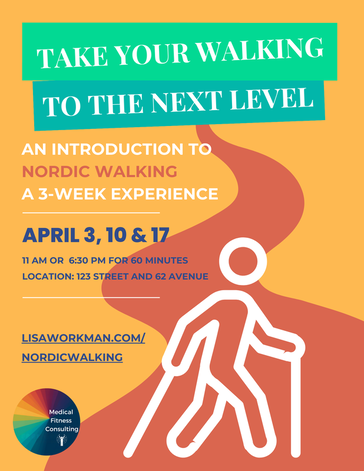
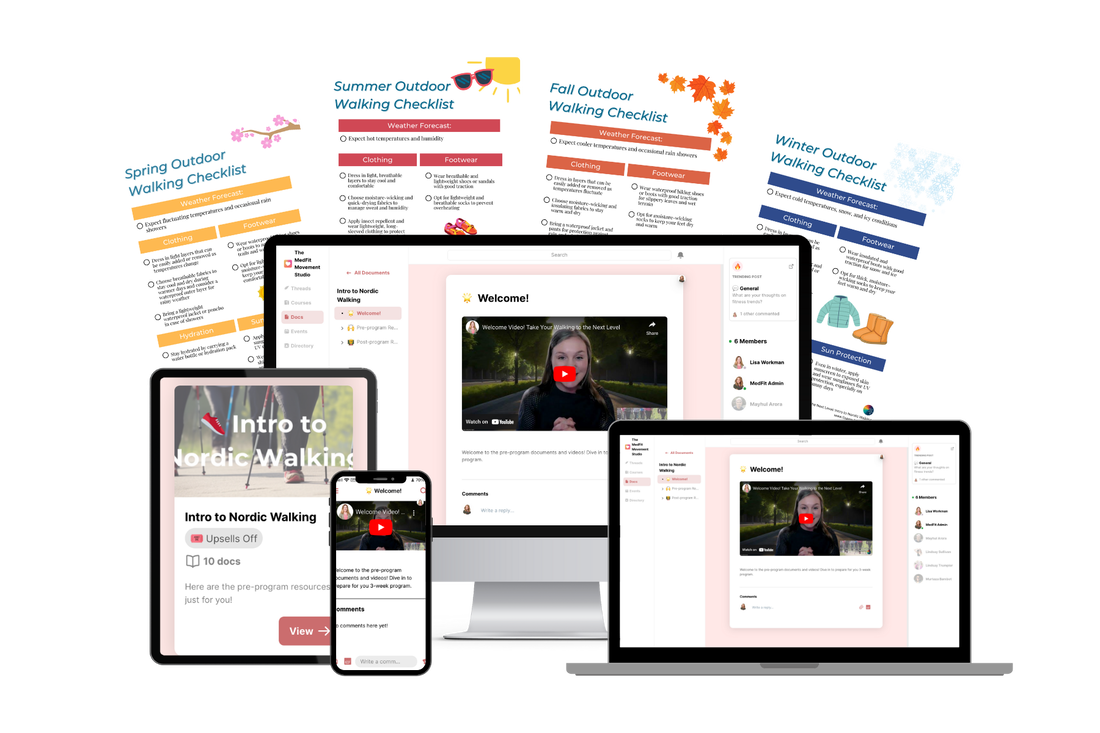
P.S. Maybe your exceptional advantage is simply that you can walk—and you enjoy it! Why not take it to the next level? The last session of Take Your Walking to the Next Level: Intro to Nordic Walking series before September starts June 11.

It’s the perfect time to get your poles on and enjoy the full-body benefits of Nordic walking during the summer months. Whether you’re new to poles or ready to refine your skills, come move with us!
​
Details and registration here

​​P.P.S. If you’re curious about that podcast episode, here’s the link again: Happier with Gretchen Rubin, Episode 534
0 Comments

Tired, behind, or off track?

5/25/2025

0 Comments


Well hello there!

When it comes to sticking with an exercise routine, bouncing back from injury, or finding motivation to move your body on a tough day, resilience is one of your greatest allies.

And yet, so many people believe that resilience is something you’re either born with—or not.

​Mark Black recently reminded me that this simply isn’t true.
Picture

Just like your physical body becomes stronger through practice and repetition, so does your inner strength.

You don’t need a life crisis to train for resilience.

You can practice it daily—especially through physical activity.

In fact, movement is the perfect training ground for resilience.

From pushing through a challenging walk to trying again after a failed attempt at a new yoga pose, your ability to keep going—to adapt, shift, and grow—is built rep by rep.

But to keep that momentum going, especially when things get tough, you may need a powerful mindset tool.

Enter: The 3P Reframe

Mark shares a helpful framework from his book, The Resilience Roadmap (Chapter 4: Adapt) to catch and shift the self-defeating stories that can hold us back—especially when things don’t go our way.

It’s called the 3P Reframe, and here’s how it works:

When something doesn’t go your way—like skipping a workout, feeling off during a run, or struggling with motivation—watch for these 3 thoughts:

1. Personal

“This is all my fault. I’m lazy and unmotivated. If I were stronger, I would’ve done it.”

👉🏼 This kind of thinking makes the challenge a personal flaw.

2. Permanent

“This always happens. I can never stick to a routine. I’ll never change.”

👉🏼 This makes the problem feel like it will last forever.

3. Pervasive

“Because I skipped my workout, the whole week is ruined. I’m failing at everything—my fitness, my goals, even work.”

👉🏼 This stretches the challenge across your whole life.

These thoughts can sneak in so easily—and they’re powerful enough to stop your progress if left unchecked.

So how do you practice resilience?

You catch the 3Ps. You name them. And then, you reframe.

Try This Reframe:

Instead of:

“I didn’t get my workout in today. I’m just not cut out for this.”

Try:

“I missed my workout, and that’s okay. One day doesn’t define me. I’m learning to be consistent, and I’ll try again tomorrow.”

It’s not about perfection—it’s about practice. Just like strength or flexibility, resilience builds over time.

Each walk you take when you don’t feel like it, each workout you modify instead of skip, each deep breath you choose instead of quitting… it all counts.

So the next time your movement journey gets tough (and it will), remember:
​You’re not failing. You’re training.

Ready to put this mindset into motion?

Spots are now open in Movement Momentum—a personalized one-on-one program designed to help you build consistency, confidence, and clarity in your movement routine. Whether you're starting fresh, returning after injury, or navigating a new season of life, Movement Momentum meets you where you are and helps you move forward—both physically and mentally.
Picture
With expert guidance, tailored movement plans, and mindset coaching, you’ll develop the tools to move smarter, feel better, and build true resilience—one step at a time.

Spots are limited.
Click here to learn more and reserve your space today
Stay well and happy moving,
Lisa

P.S. Know someone who needs to hear about resilience? Forward them this email and encourage them to sign up to the weekly community emails for inspiration, guidance and some fun too!
0 Comments

New spaces. New faces. Same old fear.

5/18/2025

0 Comments

 
This week something happened that really stuck with me—and I wanted to share it with you.

I was walking out of the gym when I ran into a former colleague. He was with his partner, and they had just finished their workout. I hadn’t met her before, so we did the usual quick intros… but then the conversation turned to exercise.

Surprise, surprise! 😉

She shared something really honest: she doesn’t enjoy going to the gym.

She said she struggles with staying consistent—goes for a week, then misses a few… or more.

And right away, I could tell this wasn’t about discipline or motivation. It was about feeling uncomfortable in that space.

And gosh, I’ve heard this so many times over the years.

In fact, I’ve felt this myself.

She mentioned she felt more at ease when her partner was guiding her through the machines—helping her know what to do next. You could tell the gym felt foreign to her.

And honestly? That makes total sense.

Walking into a gym can feel like entering another world if you’re not familiar with it. It can feel like everyone else knows what they’re doing... and you’re the only one who doesn’t. 😬

(For the record: most people at the gym are too busy thinking about their own workout to notice what anyone else is doing.)

But here’s the thing I want to highlight: knowing that something doesn’t feel good or right to you?

That’s not a failure.

It’s actually a starting point.

A spark of awareness. ✨

A place to ask: what’s really going on here?

Sometimes our discomfort is our inner voice trying to tell us something.

Maybe this woman needs more support to feel confident in the gym. Maybe she’d thrive with a professional or a smaller, more personalized setting.

Or maybe… the gym just isn’t her place.

And that’s okay too.

There are so many ways to move your body. So many ways to feel good in your skin. You don’t have to force yourself into a space that doesn’t feel like a fit.

And funny enough--this week, I found myself in a similar situation.

I went to a place of worship I’d never been to before. As I pulled into the parking lot, I had this inner battle: Should I even go in? Will they notice I don’t know the songs? Will I stand out?

All those thoughts swirling: I don’t belong here.

Sound familiar?

It’s the same thing.

Vulnerability.

Discomfort.

That feeling of being unsure in a new space.

But here’s what happened—I walked in, sat down… and was met with kindness.

The stories my mind had made up?

Not true at all.

So whether it’s a gym, a yoga studio, a walking group, or anything else—you are not alone in feeling unsure.

But also… don’t let that discomfort stop you. Let it guide you. Let it invite you to pause, get curious, and figure out what would feel good and safe and right for you.

Because when we feel like we belong? That’s when we truly show up.

Stay well and happy moving,
Lisa

Let’s find a space that works for you.

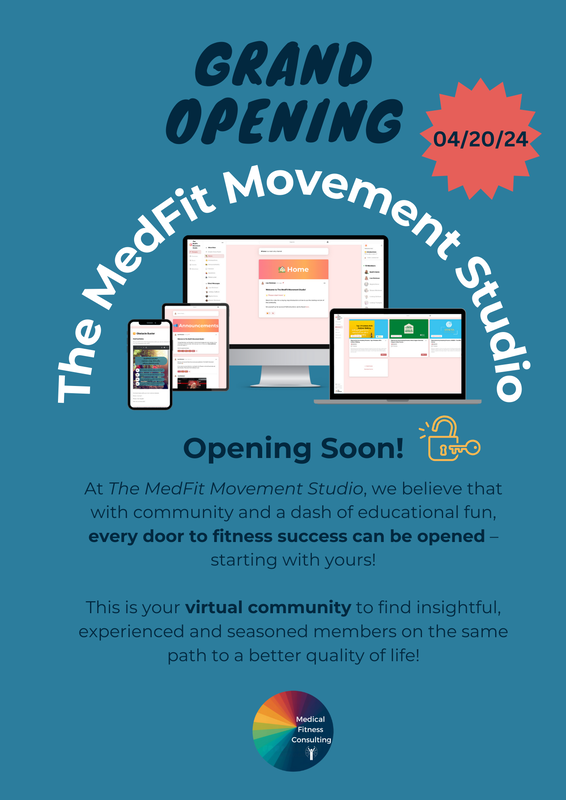
Join The MedFit Movement Studio—it's virtual, welcoming, and totally free.
Picture
Get started today!
​P.S., Technology can be a bugger sometimes. I get it! Here is a How-to guide to join The Studio today!
0 Comments

What happens when you replace a cigarette with a walk?

5/11/2025

0 Comments

 
A few years back, I facilitated a program called Learn to Run for Smokers.

And yes, I often joked that I had to be careful not to say it backwards—Learn to Smoke for Runners!

But all jokes aside, this was a powerful program developed in Eastern Canada with one main goal: to show that physical activity is not only possible for individuals who smoke, but also deeply beneficial.

We took a scientific approach—measuring participants’ carbon monoxide (CO) levels before and after our walk-run sessions.

The results were striking.

CO levels dropped. ⬇️

Significantly.

And that measurable change became a clear visual of how movement directly impacts the body—and smoking behaviour.

But there was more to it than data.

We used physical activity as a behaviour substitute. When someone had the urge to step outside for a cigarette, we encouraged them to choose a short walk or a light jog instead.

One behaviour replaced another.

Over time, a few participants didn’t just reduce their smoking… they quit entirely.

Springtime is a season of renewal, and I notice it in my own routines.

As the sun rises earlier and the grass turns green again, I find myself spending less time in front of a screen and more time moving outdoors.

Streaming TV—my cozy winter habit—takes a backseat to walks, bike rides, and fresh air.

So I ask you: What habit could you gently replace this season?

What no-longer-needed behaviour could be swapped for one that nourishes your body and soul?
​
If you’re looking for a fresh start to your morning routine, why not join us for Mindful Movement every Wednesday at 6:45 AM MST?

It’s 30 minutes of breath, reflection, and gentle movement—all designed to help you start your day with clarity and calm. Each week has a unique theme inspired by The Book of Awakening by Mark Nepo.

And honestly, there’s no better time to start.

Spring light can wake us up more easily than winter darkness ever could. It’s nature’s little nudge.

Small changes matter. One breath. One walk. One new routine.

Because just like our running smokers, swapping one behaviour for another can lead to big, life-changing results.

Ready to make a mindful swap?
Join us Wednesday mornings!
Your spring refresh starts here. 🌸

Stay well and happy moving,
Lisa
Picture
0 Comments

Feel-good movement starts with this question

4/27/2025

0 Comments

 
Hey, 

Lisa here.

And this week, I’m bringing up something personal.

Something that’s woven into our daily lives, our routines, our memories—and often, our movement too.

You might be wondering… what the heck is Lisa talking about this week?

I’m talking about music.

Yep.

That beat, that rhythm, that melody that lifts us up or calms us down.

Music has been around forever, and it’s been moving with us for just as long. Think drum circles, clapping games, singing as we work or walk or stretch. Music and movement go hand in hand—and I bet it’s part of your routine, too.

So, I’ve got a fun little question for you this week:

👉 What’s your favourite song to listen to when you exercise?

It could be the one that gets you pumped.

Or the one that helps you keep going. Or maybe the one that just brings you joy.

You can comment below with just one, or up to five songs if you’re feeling generous. I’m making a community playlist—something we can all move to, inspired by you.

And you know me… I love to dig into the science. There’s a growing body of research showing just how powerful music can be when we move our bodies:

🎧 Music can boost enjoyment during exercise. One study found that people who listened to music while working out rated the session as more enjoyable than those who didn’t—even when doing the exact same thing!

🎶 It can also increase endurance and intensity. Music can reduce perceived effort, making it feel easier to go longer or push a little harder.

🧠 And on the brain level? Music can actually help regulate mood, reduce fatigue, and even improve coordination. It’s a full-body, full-mind experience.

We live in a time where we can carry an entire library in our pocket—thank you, earbuds and smartphones! So let’s tap into that, together.

Scroll down and comment about your favourite workout tune (or five).

Oh, and one more thing! I haven’t picked a name for our community playlist just yet—and I’d love your help. If you’ve got a creative spark or a fun idea, let me know. Something like “MedFit Moves” or “Move With Lisa: Community Beats”—or maybe something totally unexpected! Let’s name it together.

A community playlist is in the works—a mix of your favourite workout songs that I’ll share in an upcoming post so we can sweat, smile, and groove together.

With music in my heart,
Lisa 💗
0 Comments

A grocery store, two kids, and a movement reminder

4/20/2025

0 Comments

 
Now, for a little story…

This week, I took my two kids to the grocery store—something we don’t do often. I gave them a $10 budget to pick out anything they wanted. For one son, it was easy. For the other? Not so much.

My little foodie didn’t hesitate. He proudly picked out spicy mango slices, coated in chili powder and paprika. Let’s just say—I had my doubts.
Picture

​At home, the first thing he did was try them.

One bite in, his eyes widened.

They were spicy.

But instead of giving up, he left the rest on his plate and returned for tiny bites throughout the afternoon.

What struck me most was his approach: he knew instinctively that the way to handle something bold and unfamiliar was to try a little at a time.

That’s a message we can all take into our own health and movement routines.

Trying something new—especially in movement—takes courage and trust.

But it doesn’t have to be all or nothing.

It can be just a little.

One step. One extra walk. One stretch. One mindful breath. One bite.

So if you're thinking about adding something new, remember: small is mighty.

This is exactly the philosophy behind our new 25 for 2025 Walking Challenge, now open in The MedFit Movement Studio. Over 25 weeks, the only goal is to walk an extra 10 minutes a week.

That’s it.

A small, spicy mango-sized bite.


In May, we’re also kicking off virtually:

🌶 Mindful Movement (new themes each week)

🌶 Everyday Yoga (gentle, doable yoga to fit real life)

🌶 Movement Rx (focusing on spinal mobility this month)

​
Come take small steps with us, wherever you are.

And yes—I tried the spicy mango too.

One tiny slice was more than enough for me.

But I’ll keep nibbling, just like we all can when something new feels bold, a bit scary… or a little spicy.

Happy Easter,
Lisa

🌟 Ready to take your first bite?
Join us for the 25 for 2025 Walking Challenge inside The MedFit Movement Studio!


👟 It’s simple: walk just 10 extra minutes a week for 25 weeks.

No step counters. No pressure. Just progress.
​
​
✨ Whether you're just starting out or looking to reignite your routine, this is a supportive and encouraging way to build momentum—one step at a time.​
Join Now!

​Let's walk into 2025 stronger, one small bite at a time!
0 Comments
<<Previous
Forward>>

    Letters From Lisa

    Missed my most recent newsletter? Don't worry, I've got your back. Find all my exclusive letters here on this  blog. ~Lisa

    Archives

    April 2026
    March 2026
    February 2026
    January 2026
    December 2025
    November 2025
    October 2025
    September 2025
    August 2025
    July 2025
    June 2025
    May 2025
    April 2025
    March 2025
    February 2025
    January 2025
    December 2024
    November 2024
    October 2024
    September 2024
    August 2024
    July 2024
    June 2024
    May 2024
    April 2024
    March 2024
    February 2024
    January 2024
    December 2023
    November 2023
    October 2023
    September 2023
    August 2023
    July 2023
    June 2023
    May 2023
    April 2023
    March 2023
    February 2023
    January 2023
    December 2022
    November 2022
    October 2022
    September 2022
    August 2022
    July 2022
    June 2022
    May 2022
    April 2022
    March 2022
    February 2022
    January 2022
    December 2021
    November 2021
    October 2021
    September 2021
    August 2021
    July 2021
    June 2021
    May 2021
    April 2021
    March 2021
    February 2021
    January 2021
    December 2020
    November 2020
    October 2020
    September 2020
    August 2020
    July 2020
    June 2020
    May 2020
    April 2020

    Categories

    All

    RSS Feed

  Lisa Workman, MA, BPE, CSEP-CEP, ​C-IAYT, AFLCA Instructor, RYT-200 Yoga Alliance, 500-hour Yoga Association of Alberta
​  Edmonton, Alberta
​|   Medical fitness consulting   |   Clinical exercise physiology   |   Yoga therapy   |

Privacy Policy
  • Home
  • Services
    • Take Your Walking to the Next Level
    • Everyday Yoga Group Class
    • Mindful Movement
    • Movement Rx
    • Movement Momentum
    • Professional Educational Services >
      • AFLCA Cycle Designation Course
      • AFLCA Cycle Level 2 Workshop
    • Free Online Course
    • Speaking Opportunities
  • About
  • High Fives
  • Blog
    • Letters From Lisa
    • Cycle Drills & Skills Blog >
      • Cycle Drills & Skills Glossary
    • The Journey of an Aspiring Yoga Teacher Blog
    • The Why I Move Project
  • Media & Publications
    • Media >
      • As Seen on TV
      • Web
      • Print
    • Publications
  • FREE Online Course
  • Contact